top of page

News

Your go-to source for the latest updates, stories, blogs, news, events, and Q&As on research, issues, projects, topics, and case studies.

Highlighting the experiences of women in science

Highlighting the experiences of women in science

11 February 2026

Each year, we celebrate the International Day of Women and Girls in Science (11 February) to acknowledge the contributions of the many women monitoring, researching, restoring, and protecting tropical ecosystems.

Student work experience: My week with the Marine Megafauna team

Student work experience: My week with the Marine Megafauna team

24 November 2025

My name is Alessa. I am a Year 10 student attending St Catherine's Catholic College in Proserpine, Whitsundays. I was given the opportunity to complete my work experience with the Marine Megafauna team at James Cook University’s TropWATER, who are leaders in dugong research.

Partnership advances marine science and port management

Partnership advances marine science and port management

4 November 2025

A $7.5 million partnership between North Queensland Bulk Ports Corporation (NQBP) and James Cook University (JCU) will deliver a five-year program to advance marine science across four ports, led by JCU TropWATER.

TropWATER leads new assessment of global dugong populations

TropWATER leads new assessment of global dugong populations

17 October 2025

JCU TropWATER researchers have led the most comprehensive look at the world’s dugong populations in over 20 years – revealing where more work is urgently needed.

Explainer: Blue carbon

Explainer: Blue carbon

1 October 2025

Blue carbon is carbon captured and stored in marine and coastal ecosystems, including mangroves, saltmarshes, seagrass meadows, and coastal wetlands. Similarly to blue carbon, teal carbon is carbon captured by non-tidal freshwater wetlands. Through the process of photosynthesis, plants in these coastal ecosystems capture carbon dioxide from the air or seawater. 

Finding fish in murky waters: TropWATER study guides best monitoring methods in seagrass meadows

Finding fish in murky waters: TropWATER study guides best monitoring methods in seagrass meadows

12 September 2025

Murky waters, resident crocodiles, dense seagrass, and elusive species make studying fish in seagrass meadows challenging – testing the limits of available monitoring techniques.

Wetlands, agriculture and water quality

Wetlands, agriculture and water quality

8 September 2025

Wetlands are gaining attention as a potential water quality management tool, but how effective are they in practice across the Great Barrier Reef catchments?

Explainer: Flood plumes

Explainer: Flood plumes

17 August 2025

A flood plume – also known as a river plume – is a large volume of freshwater discharged from a river into the ocean, caused by heavy rainfall and flooding. Plumes can carry sediment, nutrients, pesticides and other contaminants from the land into coastal and marine waters.

International fellowship supports researcher monitoring water health from space

International fellowship supports researcher monitoring water health from space

15 July 2025

JCU TropWATER’s Dr Paula Cartwright recently spent eight weeks working with scientists at the Indian Institute of Technology (IIT) Bhubaneswar on advancing remote sensing technologies to track key indicators of water health from space.

Coastal imagery tool unlocks ecological insights

Coastal imagery tool unlocks ecological insights

2 July 2025

The new JCU TropWATER coastal health tracker brings together thousands of aerial images from our surveys of northern Australia’s coastlines in one online tool for anyone to use.

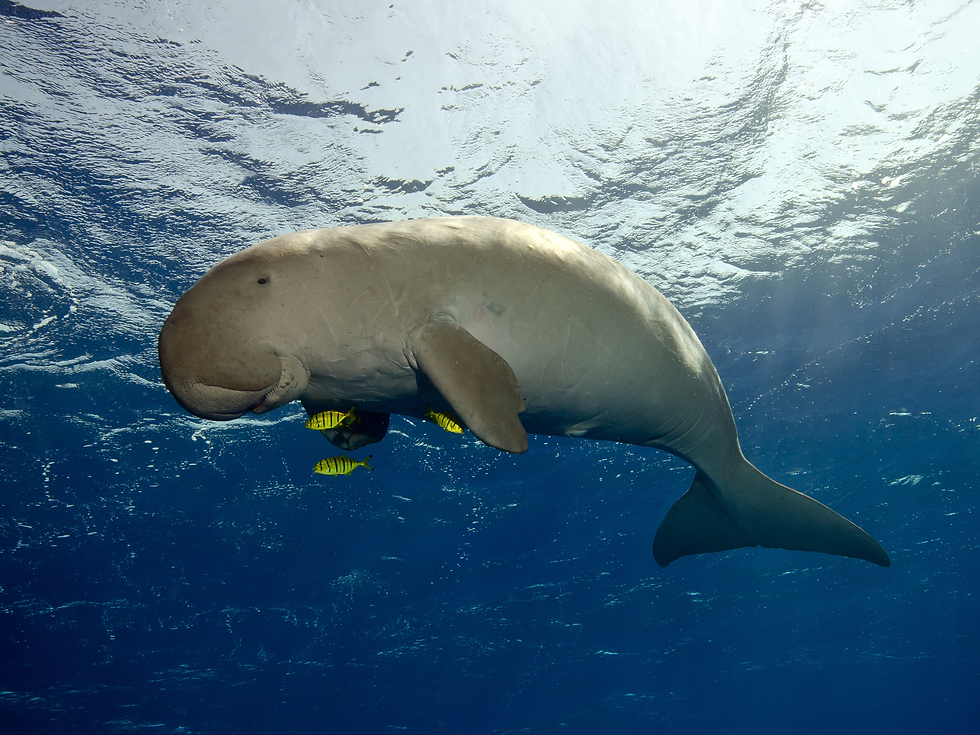
A snapshot of TropWATER’s dugong research for World Dugong Day

A snapshot of TropWATER’s dugong research for World Dugong Day

2 July 2025

JCU TropWATER researchers have studied dugong populations for decades, and our marine megafauna team continues to lead cutting edge projects to improve our understanding of dugong ecology. This work is critical to effectively conserve this culturally and ecologically important species.

TropWATER joins new alliance to strengthen water quality science across Queensland

TropWATER joins new alliance to strengthen water quality science across Queensland

25 May 2025

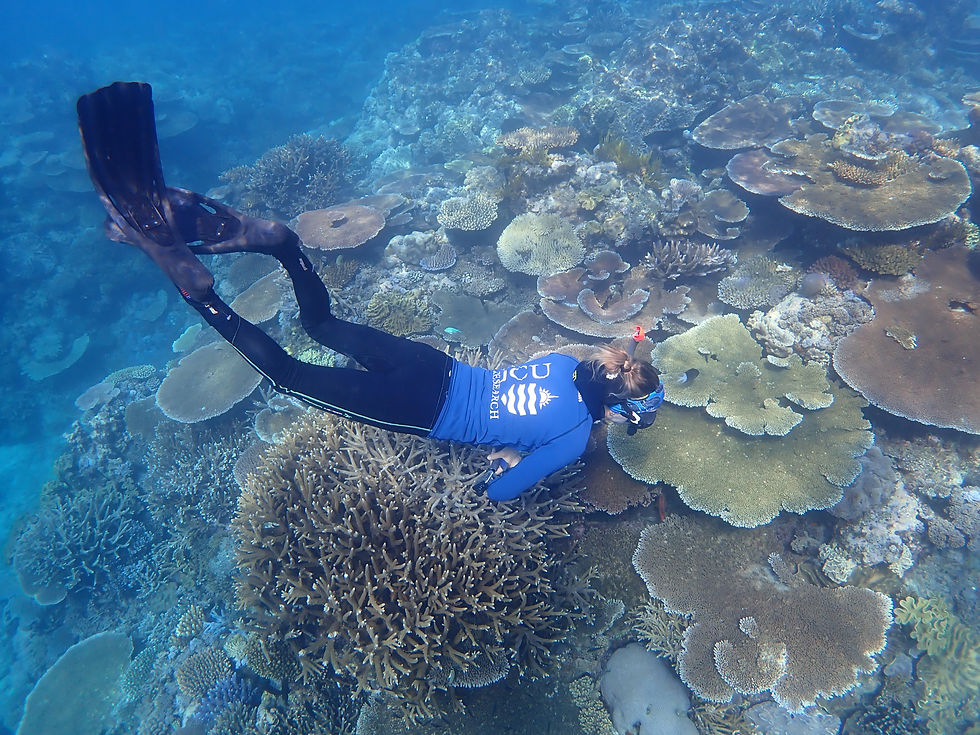
Scientists at James Cook University TropWATER are expanding their long-standing water quality monitoring and community engagement through a major new initiative – the Catchment Water Quality Alliance.

Explainer: Coral recruitment

Explainer: Coral recruitment

13 May 2025

Coral recruitment is the process where coral larvae settle onto reef surfaces, survive early stages, and grow into new colonies, supporting reef recovery, resilience, and long-term ecosystem health after disturbance.

Explainer: Seagrass

Explainer: Seagrass

12 May 2025

Seagrass is a marine plant – and it is the only flowering plant that can live under ocean waters. There are four major groups of seagrasses divided into around 60 to 70 species. Seagrass can sometimes be mistaken for seaweed, which is algae that does not have a true root system and reproduces via spores.

Explainer: Nursery habitats

Explainer: Nursery habitats

12 May 2025

What is a nursery habitat? A nursery habitat is an ecosystem that supports juveniles of marine species. They are often coastal ecosystems such as seagrass meadows, mangroves, and saltmarshes that offer three-dimensional structures compared to flat areas of mud or sand. 

Explainer: eDNA

Explainer: eDNA

12 May 2025

Environmental DNA (eDNA) is genetic material shed by organisms into their surroundings, such as water or soil, which scientists analyse to detect and monitor species without directly observing or capturing them.

A history of the Great Barrier Reef

A history of the Great Barrier Reef

8 April 2025

As part of the newly-launched Water Quality Science & Agriculture Hub, Dr Stephen Lewis delves into the history of the Great Barrier Reef, tracing its development over the past 7,000 years and exploring the complexities of establishing a baseline for assessing its health.

Protecting vital seagrass habitats at Cocos (Keeling) Islands

Protecting vital seagrass habitats at Cocos (Keeling) Islands

3 April 2025

James Cook University TropWATER scientists are boosting the recovery of seagrass meadows in the Cocos (Keeling) Islands Marine Park by installing underwater fences that protected depleted seagrass from turtles grazing to give them a chance for recovery. Now, the first of these protected areas are thriving – growing ten times as thick and twice the height after just three months. 

Flood plume reaches offshore reefs in Great Barrier Reef

Flood plume reaches offshore reefs in Great Barrier Reef

28 March 2025

An extensive flood plume caused by the recent severe weather event in northern Queensland is pushing vast amounts of river discharge to cover about 50,000 km2 of the Great Barrier Reef from Cairns to Mackay – stretching across inshore, mid-shelf, and outer reefs. 

Long-term recovery of mangroves after a major oil spill

Long-term recovery of mangroves after a major oil spill

10 March 2025

A new study from James Cook University TropWATER researchers has tracked the full 30-year recovery of more than 300 hectares of mangrove forests severely damaged by a 1986 oil spill in Central America.

Marine reserves boost Great Barrier Reef coral trout fisheries

Marine reserves boost Great Barrier Reef coral trout fisheries

10 March 2025

Nearly half the coral trout caught on the Great Barrier Reef originally come from no-take marine reserves.

Celebrating the work of women in science

Celebrating the work of women in science

11 February 2025

To celebrate the International Day of Women and Girls in Science (11 February), we’re highlighting some of the many women doing amazing work with TropWATER across freshwater and marine sciences.

One year on: Mud from Cyclone Jasper’s floods still smothers inshore reefs and mangroves

One year on: Mud from Cyclone Jasper’s floods still smothers inshore reefs and mangroves

24 January 2025

It’s been one year since Tropical Cyclone Jasper tore through Far North Queensland’s Great Barrier Reef – and James Cook University scientists say the sediment-laden floods that followed have caused extreme damage to inshore habitats that will take years to recover.

Internship highlights

Internship highlights

15 January 2025

TropWATER supports postgraduate students to work with us on ongoing research projects, gaining hands-on experience and key skills for their career development. Below are highlights from past interns, reflecting on their experiences with TropWATER. 

TropWATER showcases need to adapt water quality goals for mining environments

TropWATER showcases need to adapt water quality goals for mining environments

3 December 2024

JCU TropWATER scientists featured their research to the critical minerals sector at last week’s Regional Trailblazer Showcase and Stakeholder Forum in Townsville – emphasising the need to tailor water quality objectives for freshwater ecosystems near mines.

Scientists dissect dugong poo for DNA clues

Scientists dissect dugong poo for DNA clues

3 December 2024

James Cook University TropWATER scientists are unlocking vital clues about the diets of globally endangered dugongs by studying the DNA found in an unusual source – dugong poo.

Dr Cecilia Villacorta-Rath awarded QLD Smithsonian Fellowship

Dr Cecilia Villacorta-Rath awarded QLD Smithsonian Fellowship

3 December 2024

TropWATER’s Dr Cecilia Villacorta-Rath has been awarded a Queensland Smithsonian Fellowship to train in environmental DNA (eDNA) techniques to assess habitat health on the Great Barrier Reef.

Celebrating Indigenous-led seagrass initiatives

Celebrating Indigenous-led seagrass initiatives

3 December 2024

Traditional Owners and Indigenous Rangers are key partners in many ongoing TropWATER projects. Our collaborations include mapping seagrass and coral reefs on Sea Country, conducting Traditional Owner-led dugong surveys, monitoring mangrove shorelines, performing eDNA monitoring of invasive species, and participating in wetland protection initiatives.

Scholarship gives marine science students real world opportunity

Scholarship gives marine science students real world opportunity

3 December 2024

Two outstanding JCU marine science students have been awarded Bachelor of Science scholarships – equipping them with unique real-world experience on the Great Barrier Reef under the guidance of leading marine researchers.

Symposium focuses on advancing coastal restoration

Symposium focuses on advancing coastal restoration

3 December 2024

The 2024 Australasian Coastal Restoration Network (ACRN) symposium was recently held at the University of Sydney, bringing together key professionals working in coastal, estuarine, and marine restoration. 

Sediment hotspots: Improving confidence in our catchment models

Sediment hotspots: Improving confidence in our catchment models

3 December 2024

New research suggests that the effectiveness of water quality catchment models – used to identify sediment hotspots in Great Barrier Reef catchments – can be enhanced by incorporating river sediment tracing and independent water samples.

Studying dugongs from the sky

Studying dugongs from the sky

3 December 2024

Drones could fast-track how scientists collect data on one of the most elusive marine mammals in the Great Barrier Reef.

Recent report reveals water quality and seagrass trends in the Great Barrier Reef

Recent report reveals water quality and seagrass trends in the Great Barrier Reef

3 December 2024

Our scientists lead seagrass and inshore water quality monitoring across large areas of the inshore Great Barrier Reef Marine Park, contributing critical data to the recently released 2022–2023 Marine Monitoring Program Annual Report.

Spearfishing restrictions boost fish stocks

Spearfishing restrictions boost fish stocks

3 December 2024

Restricting spearfishing in some 'yellow zones' in the Great Barrier Reef Marine Park has doubled the abundance of coral trout, according to new research led by James Cook University scientists.

Mangrove damage along Great Barrier Reef and restoration hotspots 

Mangrove damage along Great Barrier Reef and restoration hotspots 

3 December 2024

A James Cook University report has found evidence that sea level rise is visibly impacting mangroves across approximately 80% of the coastline from Cairns to Gladstone, with significant erosion visible along the sea edges, scouring of saltmarshes and landward movement of mangroves.

The benefits of converting flood-prone cane paddocks into melaleuca plantations

The benefits of converting flood-prone cane paddocks into melaleuca plantations

3 December 2024

The common melaleuca ‘paper-bark’ tree could be a powerhouse not only in storing carbon but also in filtering farm runoff – and farmers and scientists are teaming up to understand how big of an impact these native trees have.

Graziers and scientists connect to track sediments from the land to the Reef

Graziers and scientists connect to track sediments from the land to the Reef

3 December 2024

For six wet seasons at nine properties across the Bowen-Bogie-Broken catchments, graziers have collected 300 water samples from their local waterways – helping to track how sediments flow from the land into the Great Barrier Reef.

Scientists, Traditional Owners and conservationists come together in ‘The Reef Cooperative’

Scientists, Traditional Owners and conservationists come together in ‘The Reef Cooperative’

3 December 2024

To mark World Oceans Day, Cotton On Foundation, the philanthropic arm of the Cotton On Group, has committed $2 million to co-launch a world-first conservation project, ‘The Reef Cooperative’. 

Inshore reef habitats of Great Barrier Reef islands

Inshore reef habitats of Great Barrier Reef islands

3 December 2024

From coral trout and snapper to wrasses, butterflyfish, and damselfish – the inshore reef habitats of Great Barrier Reef islands are known for their complex and rich fish communities.

Dugong survey reveals thriving population in far north Queensland

Dugong survey reveals thriving population in far north Queensland

3 December 2024

A new report from James Cook University’s TropWATER reveals a thriving dugong population in far northern Queensland, stretching from Cape York to Mission Beach – a stark contrast to concerning dugong numbers in southern Queensland.

Identifying sediments in the Bowen, Broken and Bogie catchments

Identifying sediments in the Bowen, Broken and Bogie catchments

3 December 2024

Graziers and scientists are working together to understand how, when, and where sediment moves from the land into the Bowen, Broken, and Bogie catchments – building a more accurate understanding of the local water quality. 

Scientists track one of the world’s most invasive ants in waterways

Scientists track one of the world’s most invasive ants in waterways

3 December 2024

As yellow crazy ants invade habitats across Queensland, James Cook University researchers have developed a world-first environmental DNA (eDNA) method that can detect infestations of the highly invasive species.

Women Warriors of the Torres Strait set sail for the Great Reef Census

Women Warriors of the Torres Strait set sail for the Great Reef Census

3 December 2024

The Women Warriors of the Torres Strait – an all-female crew of Traditional Owners, rangers, and scientists led by the Torres Strait Regional Authority (TSRA) Sea Team and James Cook University – have set sail as part of the Great Reef Census to survey the northernmost section in the Torres Strait, northern Australia. 

Coral reef fish running out of time to recover at Great Barrier Reef Islands

Coral reef fish running out of time to recover at Great Barrier Reef Islands

3 December 2024

A study has found concerning new evidence of long-term declines in coral reef fish around highly visited inshore islands of the Great Barrier Reef. 

Indigenous rangers and scientists team up to drive coral growth

Indigenous rangers and scientists team up to drive coral growth

3 December 2024

Indigenous rangers and scientists team up to drive coral growth on the Great Barrier Reef during spawning season and beyond. A team of scientists, First Nations Rangers, tourism operators, and conservationists have collected millions of coral sperm and egg bundles at Moore Reef on Gunggandji Sea Country, 50 kilometers offshore from Cairns.

Evidence of land-based impacts on water quality in the Great Barrier Reef

Evidence of land-based impacts on water quality in the Great Barrier Reef

3 December 2024

James Cook University TropWATER scientists are major contributors to the most comprehensive and rigorous review of water quality and the Great Barrier Reef – confirming that elevated levels of fine sediments, nutrients and pesticides continue to have detrimental impacts on the Great Barrier Reef, especially inshore ecosystems.

Long-term decline in GBR dugong populations confirmed

Long-term decline in GBR dugong populations confirmed

14 June 2024

A new report from James Cook University (JCU) TropWATER reveals a long-term decline in dugong populations along the Great Barrier Reef, spanning from Mission Beach to Bundaberg, and Hervey Bay in the Great Sandy Strait.

A gateway to understanding manta rays in the central Great Barrier Reef

A gateway to understanding manta rays in the central Great Barrier Reef

14 June 2024

James Cook University scientists are studying a previously unknown manta ray aggregation at Holbourne Island – capturing photographs of the mantas’ distinct markings and deploying satellite and acoustic tracking tags. 

Back-to-back cyclones and flood plume impacts on the Great Barrier Reef

Back-to-back cyclones and flood plume impacts on the Great Barrier Reef

14 June 2024

Back-to-back cyclones have exposed the Great Barrier Reef to extensive and persistent flood plumes from Ingham up to Cape York Peninsula, with terrestrial runoff lathering coral reef and seagrass ecosystems for weeks. 

First reports of severe coral bleaching this summer as the Great Barrier Reef warms up

First reports of severe coral bleaching this summer as the Great Barrier Reef warms up

14 June 2024

As ocean temperatures continue to warm over the Great Barrier Reef this summer, James Cook University scientists have reported areas of moderate to severe coral bleaching around the Keppel Islands, offshore from Rockhampton.

TropWATER-led program wins National Award

TropWATER-led program wins National Award

29 May 2024

A TropWATER-led water quality monitoring project has won the Agriculture and Regional Development award at the 34th Banksia National Sustainability Awards.

Seagrass restoration project spans two oceans

Seagrass restoration project spans two oceans

22 May 2024

James Cook University scientists will lead seagrass restoration research spanning tropical Australia’s two oceans.

Surveying mangrove forests along the southern Great Barrier Reef coastline

Surveying mangrove forests along the southern Great Barrier Reef coastline

22 May 2024

Mangroves are nature’s blue carbon powerhouses – capable of capturing and storing significant amounts of carbon – making them a vital tool in mitigating the climate crisis.

Bringing back bushfoods: Australia’s landscape mapped to boost bush tucker

Bringing back bushfoods: Australia’s landscape mapped to boost bush tucker

22 May 2024

Growing native bushfoods could reverse environmental degradation and offer better food security. But how do we get bushfoods in the agricultural sector in a market saturated by modern crops?

Girringun lead drone-based dugong surveys with JCU scientists

Girringun lead drone-based dugong surveys with JCU scientists

22 May 2024

Hinchinbrook Island historically boasts extensive seagrass meadows and a thriving dugong population, but the region is still recovering from the devastating impacts of Cyclone Yasi more than a decade ago.

PhD opportunity – James Cook University

PhD opportunity – James Cook University

22 May 2024

Assessing the body size and body condition of dugongs using drone-based photogrammetry Assessments of individual animal health and condition can signal early signs of population-level effects in wildlife from environmental and anthropogenic factors.

Dugong Census begins

Dugong Census begins

22 May 2024

James Cook University scientists are in the air conducting a critical Queensland-wide dugong population survey – counting dugongs along 2000 kilometers of coastline in under two months.

Restoring lost seagrass meadows in the Great Barrier Reef

Restoring lost seagrass meadows in the Great Barrier Reef

22 May 2024

The first meadow-scale seagrass restoration project in Tropical Australia is set to breathe new life into two vital seagrass areas of the Great Barrier Reef World Heritage Area.

eDNA to improve waterway monitoring of invasive and native fish

eDNA to improve waterway monitoring of invasive and native fish

22 May 2024

TropWATER is working with OzFish and the Townsville City Council to use environmental DNA (eDNA) methods to improve waterway monitoring in the Australian tropics. 

Long lost ‘bum-breathing’ turtle makes its return

Long lost ‘bum-breathing’ turtle makes its return

22 May 2024

A revolutionary new DNA detection method has helped rediscover an iconic species of turtle last seen more than 25 years ago in a northern Queensland river.

Gulf mangrove dieback discovery

Gulf mangrove dieback discovery

27 July 2022

Breakthrough research by James Cook University scientists has solved the mystery of the catastrophic death of 40 million mangrove trees around the Gulf of Carpentaria in 2016 – and the discovery could help scientists predict, and possibly prevent, future events.

New partnership unlocks largest blue carbon restoration project in Great Barrier Reef catchment

New partnership unlocks largest blue carbon restoration project in Great Barrier Reef catchment

31 May 2022

Coles and the Great Barrier Reef Foundation have announced a 10-year, $10 million partnership to help strengthen the regeneration and resilience of the Great Barrier Reef.

Rangers take the lead as ‘eyes and ears’ of the Northern Great Barrier Reef

Rangers take the lead as ‘eyes and ears’ of the Northern Great Barrier Reef

25 May 2022

In the lead-up to National Reconciliation Week (27 May – 3 June), scientists from James Cook University are upskilling Torres Strait rangers this week to be the eyes and ears in protecting seagrass meadows in the northernmost part of the Great Barrier Reef.

Turtles, dugongs in danger from seagrass loss

Turtles, dugongs in danger from seagrass loss

18 May 2022

Large-scale monitoring of seagrass meadows across Hervey Bay and the Great Sandy Strait reveals there is almost no seagrass remaining across most of the previously mapped areas.

Dramatic loss of globe’s wetlands

Dramatic loss of globe’s wetlands

12 May 2022

Researchers analyzing more than one million satellite images have discovered 4,000 square kilometers of tidal wetlands have been lost globally over twenty years – but ecosystem restoration and natural processes are playing a part in reducing total losses. 

Wuthathi Land and Sea Custodians partner with TropWATER scientists

Wuthathi Land and Sea Custodians partner with TropWATER scientists

11 May 2022

Wuthathi Land and Sea Custodians will use drones, helicopters, and drop camera surveys to map seagrass habitats on Wuthathi Sea Country in Northern Cape York, in partnership with TropWATER scientists.

‘Turtle gate’ gives safe passage in feral pig dilemma

‘Turtle gate’ gives safe passage in feral pig dilemma

10 March 2022

Native freshwater turtles have been caught in the battle to keep feral pigs out of coastal wetlands, with many adult turtles becoming fatally trapped by fences.

Using genetic clues in the race to find ‘missing’ frogs

Using genetic clues in the race to find ‘missing’ frogs

1 February 2022

Genetic clues in the water could lead scientists to the last surviving populations of frogs on the brink of extinction – and it could be our last hope to find them.

bottom of page